Often, R&D credits are mistakenly assumed to apply only to the creation of a new product, but package designs for the products can also qualify for tax credits in a number of ways.
Read full story
Meat alternatives are clearly having a moment in the spotlight and experimentation and development will determine if this is a fad or our future.
Read full story
Businesses investing in innovation may have new opportunities to reduce their tax burden thanks to recent enhancements to Research & Development (R&D) tax credit programs in Connecticut and New Hampshire. These state-level incentives can provide valuable tax savings for companies engaged in developing new products, improving processes, creating software, or advancing technology.
Read full story
Many small business owners assume research and development (R&D) tax credits are only available to large corporations. In reality, many Iowa businesses may qualify through everyday activities such as improving products, developing software, enhancing manufacturing processes, or solving technical challenges.
Read full story
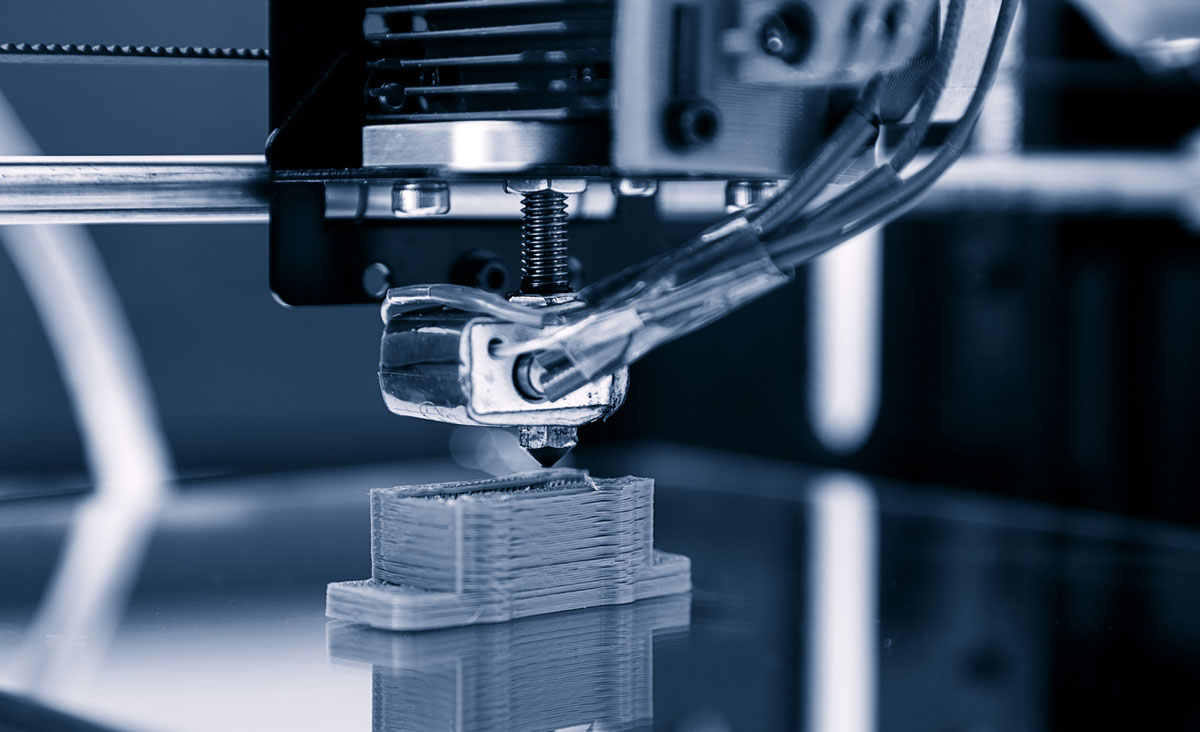
If your company is conducting 3D metal printing research and development activities, you may qualify for and benefit from R&D tax credits.
Read full story
Solar technology companies are an integral part of the renewable energy industry and often do not realize that their day to day activities could be eligible for federal and some state R&D tax credits.
Read full story
Commercial bakeries are in an excellent position to collect vital tax credits for Research and Development (R&D) from the federal government.
Read full story
There are many qualified activities cabinet and furniture businesses may not be aware of and eligibility isn’t limited to just the manufacturing area.
Read full story
CPA firms and their clients often need outside expertise when it comes to specialized tax services. Deciding on the right partner to manage your specialty tax credits can be intimidating, especially with the growing number of online pop up tax firms competing for your business. A study done by a very large firm can be expensive, while a study done by a smaller local mom and pop shop may not yield the maximum benefits and studies performed by either may run the risk of an IRS audit. Choosing a tax partner that can work seamlessly with your company can offer great value as well as save you time and money in the long run. To help select the right partner, there are three key attributes to consider.
Read full story
Daily activities performed by chemists, scientists and nutritionists in the gluten free food industry are eligible for the R&D tax credits offered by the federal government and by 40 separate states.
Read full story